Airway Inflammation Starts Earlier Than You Think: The Gut, Diet, and Performance Horses
When performance horses begin struggling with respiratory issues, the conversation almost always starts with the lungs. Dust. Arena conditions. Air quality. Seasonal allergies. Environmental changes. And while all of those things absolutely matter, sometimes the lungs are not where the story begins. Sometimes it starts much earlier.
A horse that is producing excess mucus, struggling with chronic respiratory irritation, recovering poorly after exercise, or dealing with recurring airway inflammation may actually be showing signs of something deeper happening inside the body. Because inflammation rarely stays contained to one system.
This is where we begin looking at digestion.
Leaky Gut and Why the Gut Doesn’t Stay in the Gut
Leaky gut occurs when the intestinal lining becomes compromised and less selective about what enters circulation. Under normal conditions, the digestive tract acts as both an absorption surface and a protective barrier. Nutrients move through, while unwanted particles remain contained and move out of the body appropriately.
But when the digestive system becomes overwhelmed, whether from dietary stress, inflammatory ingredients, environmental burden, or long-term irritation, that barrier can begin functioning less efficiently.
When this happens, inflammatory particles interact more heavily with the immune system and contribute to broader patterns of systemic inflammation. This is why gut health conversations become so important. Because the effects rarely stop at digestion. Once the body shifts into an inflammatory state, multiple systems begin responding.
Inflammation may influence:
| System | Possible Impact |
|---|---|
| Immune System | Increased reactivity and inflammatory responses |
| Respiratory System | Increased mucus production and airway irritation |
| Circulation | Reduced efficiency of blood movement |
| Recovery | Slower repair and increased stress load |
For performance horses, these changes can become especially noticeable because their bodies are already being asked to perform at a high level.
Why This Matters for Severe Respiratory Issues and EIPH
Respiratory issues are often viewed as isolated to the lungs. But the body doesn’t operate in isolated systems. When inflammation increases throughout the body, we may begin seeing changes in areas beyond digestion.
This can influence:
- Immune system regulation
- Mucus production
- Blood production and circulation
- Recovery and tissue resilience
In performance horses, this may show up as increased respiratory sensitivity, airway irritation, excess mucus production, slower recovery after exercise, or reduced overall efficiency during work.
This is also why severe respiratory issues and EIPH conversations are often more complex than simply looking at breathing alone.
The TCM View: Understanding Damp-Heat
In Traditional Chinese Medicine, we often view this as Damp-Heat. Dampness develops when digestion and fluid metabolism become inefficient. Heat develops when inflammation, stagnation, stress, or excess burden continue building. Together, those patterns begin creating conditions that affect multiple systems.
| Dampness | Heat |
|---|---|
| Excess mucus | Inflammation |
| Fluid retention | Irritation |
| Sluggish movement | Internal stress |
| Congestion | Excess warmth |
When this develops long enough, respiratory symptoms often become one of the places where the imbalance becomes visible. This is why our goal is not simply to reduce symptoms but to restore balance for the body to properly function.
Why We Support More Than Just the Airways
One of the biggest shifts for many horse owners is realizing that airway support and digestive support are often part of the same conversation. You cannot effectively support airway inflammation while continually feeding systemic inflammation.
That does not mean respiratory support is unnecessary. It means the body often responds best when multiple systems are supported together. Because of that, our approach commonly focuses on digestion, immune balance, and respiratory function simultaneously.
The Three Areas We Commonly Support
Redemption → Supporting Digestion
We often start with Redemption when digestive function appears to be part of the bigger picture.
Redemption supports:
- Healthy digestion and nutrient transformation
- Production of new blood
- Gut repair and gastrointestinal support
- Immune regulation
- Reduction in excess mucus production
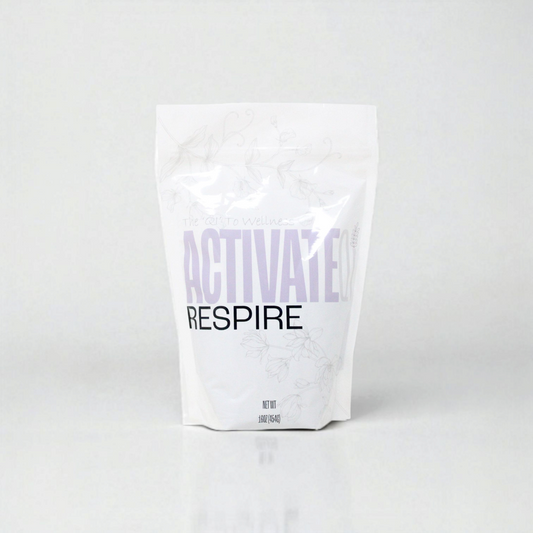
Respire → Supporting Environmental Responses
Respire is commonly used when symptoms appear more reactive to environmental triggers.
Respire supports:
- Congestion and respiratory comfort
- Seasonal irritation and coughing
- Environmental changes and sensitivities
- Dust and pollen exposure
- Immune support and balance
Repel → Supporting Respiratory Strength and Circulation
Repel is commonly used when deeper airway and breathing support is needed.
Repel supports:
- Stronger breathing
- Healthy airway response
- Clearing excess phlegm
- Circulation support
- Recovery during performance
Healing Is Never Linear
One of the hardest parts of supporting chronic inflammation is understanding that progress rarely follows a straight line. Some weeks look better than others. Symptoms fluctuate. Workloads change. Environmental exposure changes.
That’s why we evaluate progress through context rather than isolated moments. We always consider: weight, workload, environment, and symptoms. Because all of these influence how the body responds.